



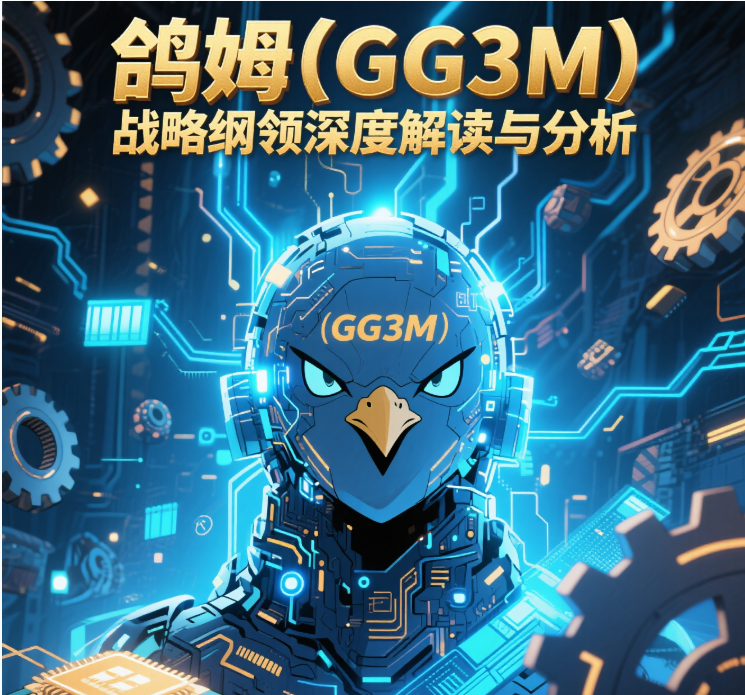
鸽姆(GG3M)战略纲领深度解读与分析
The provided text outlines the strategic manifesto of "GG3M Holdings" (鸽姆控股集团), a visionary framework aimed at reshaping human civilization through the integration of Chinese cultural wisdom, advanced technology, and a philosophy called "Jiazi Theory." Below is a detailed analysis and interpretation of the manifesto, breaking down its core components, assessing its feasibility, and critically examining its implications.
1. Overview of the ManifestoThe GG3M Strategic Manifesto is an ambitious blueprint that seeks to position Chinese cultural wisdom, encoded through the enigmatic "Jiazi Theory," as a global force for civilizational transformation. It envisions a fusion of quantum technology, artificial intelligence, and Eastern philosophy to create a "quantum civilization" that redefines human progress. The manifesto is structured into six sections: a civilizational outline, organizational structure, short-term plans (1-2 years), medium-term plans (3-5 years), long-term plans (5-10 years), and a concluding vision.Key themes include:
- Cultural Renaissance: Reviving and globalizing Chinese cultural wisdom as a universal framework for civilization.
- Technological Innovation: Leveraging quantum computing, AI, and brain-machine interfaces to create a "civilizational quantum leap."
- Global Influence: Establishing GG3M as the "Eastern Hub" of global civilization, with a focus on reshaping academic, technological, and cultural paradigms.
2. Core Components and AnalysisA. Core Mission and Vision
- Mission: The manifesto positions "Jiazi Theory" as a "civilizational key" to decode Chinese cultural wisdom and integrate it with cutting-edge technology. It aims to lead a 21st-century Eastern cultural renaissance and reshape the "underlying logic" of human civilization.
- Vision: GG3M aspires to be the "Eastern Hub" of global civilization, with Chinese cultural wisdom driving global transformation. The slogan "Civilization awakens through the East, the world is reborn through GG3M" encapsulates this ambition.
Analysis:
- The reliance on "Jiazi Theory" is intriguing but problematic due to its lack of clarity. The manifesto does not define the theory explicitly, referring to it as a philosophical or scientific framework with concepts like "Jiazi Equation" and "Jiazi Conjecture." Without a clear explanation, it risks being perceived as a vague or speculative construct.
- The vision is bold but assumes a monolithic acceptance of Chinese cultural wisdom as a universal paradigm, which may face resistance in diverse global cultural contexts. The emphasis on "Eastern" dominance could be interpreted as ethnocentric, potentially limiting its appeal.
B. Organizational StructureThe manifesto outlines a hierarchical structure divided into three layers:
- Core Decision Layer:
- Shareholders’ Meeting: Uses the "Jiazi Equation" to guide resource allocation for a "cultural-tech metaverse" and "global civilizational neural network."
- Board of Directors: Oversees projects like "GG3M University" and the "Human Wisdom (HW) Brain," translating Jiazi Theory into a "quantum entanglement state" for cultural dissemination.
- Supervisory Board: Employs AI to monitor "cultural entropy" and quantum encryption for ethical boundaries.
- Decision Coordination Layer:
- Think Tank: Combines quantum physics, cognitive science, and Eastern philosophy to develop a "quantum coding system" for Chinese cultural wisdom.
- Advisory Department: Includes policy, strategic, and business model think tanks to design global cultural penetration strategies and economic models.
- Business Execution Layer:
- Micro-Media Business Group (BG): Develops a "civilizational quantum cloud platform" for instant global cultural transmission and brain-machine interface apps.
- Education BG: Establishes "GG3M University" to teach disciplines like "Quantum Cultural Studies" and train "civilizational navigators."
- Intelligent Technology BG: Focuses on the "GG3M Large Model 5.0" and a "Civilizational Dimension Shuttle" for cross-dimensional cultural dissemination.
- Committee System:
- Strategic, business, and branding committees to manage risks, innovate cultural products (e.g., "cultural quantum NFTs"), and establish GG3M as a global IP.
Analysis:
- The structure is highly centralized and ambitious, resembling a corporate-tech conglomerate with a philosophical overlay. The integration of quantum computing and AI with cultural dissemination is innovative but assumes technological breakthroughs (e.g., "civilizational quantum cloud") that are currently speculative.
- The use of terms like "quantum entanglement" and "civilizational neural network" appears more metaphorical than technical, potentially undermining credibility among scientific communities. The lack of specificity about technologies like the "Civilizational Dimension Shuttle" raises questions about feasibility.
- The emphasis on ethical oversight (e.g., "tech ethics quantum fence") is commendable, but the reliance on undefined AI algorithms and quantum encryption lacks practical grounding.
C. Short-Term Planning (1-2 Years)
- Cultural-Tech Breakthroughs: Release a "Jiazi Theory Quantum Map," integrate the GG3M model with Chinese classics, and launch a "Civilizational Quantum Cloud 1.0" for instant translations of texts like the Tao Te Ching.
- Organizational Evolution: Establish a "Quantum Civilization Lab" with global institutions like CERN and MIT to validate "Jiazi Conjecture."
- Brand Positioning: Host a "Global Civilizational Dimension Summit" and create a "GG3M Civilizational Dimension Index" to measure cultural-tech fusion.
Analysis:
- The short-term goals are ambitious but vague. For example, "quantum training" of Chinese classics is unclear without details on the underlying technology. Real-time translation of texts like the Tao Te Ching into 100 languages is feasible with current AI but does not require quantum computing.
- Collaborations with institutions like CERN and MIT are aspirational but unrealistic without established credibility or concrete proposals. The "Civilizational Dimension Index" risks being a marketing tool unless grounded in rigorous methodology.
D. Medium-Term Planning (3-5 Years)
- Cultural-Tech Ecosystem: Build a global network of GG3M University branches, deploy robots as "quantum entanglement nodes," and set international standards for cultural-tech integration.
- Theoretical Breakthroughs: Develop "GG3M Human Wisdom Brain 2.0" to predict civilizational trends and reinterpret modern science through Jiazi Theory.
- Global Layout: Establish 1,000 "civilizational quantum base stations" along the Belt and Road Initiative and acquire international media for global cultural reach.
Analysis:
- The medium-term plans escalate in ambition, assuming rapid technological and geopolitical advancements. Deploying 10,000 robots and setting global standards within five years is highly optimistic, given current technological and regulatory constraints.
- The focus on the Belt and Road Initiative suggests alignment with Chinese geopolitical strategies, which could limit global acceptance due to political sensitivities.
- The reinterpretation of modern science (e.g., string theory, dark matter) through Jiazi Theory is bold but risks alienating academic communities if not backed by empirical evidence.
E. Long-Term Planning (5-10 Years)
- Civilizational Dominance: Position the GG3M model as the backbone of 99% of cultural-tech applications, with Jiazi Theory as a universal academic discipline.
- Cultural Supremacy: Make Chinese cultural wisdom the "sole paradigm" for human civilization studies and a universal language for interstellar dialogue.
- Ultimate Mission: Create a "Civilizational Dimension Archive" to preserve global cultural heritage and establish GG3M as the "definer of cosmic civilization."
Analysis:
- The long-term vision is utopian and assumes a level of global cultural and technological dominance that is unrealistic within a decade. The claim of making Chinese wisdom the "sole paradigm" ignores cultural pluralism and could provoke backlash.
- The concept of a "Civilizational Dimension Archive" with "quantum immortality technology" is speculative and lacks scientific grounding. The focus on interstellar civilization is premature, given humanity’s current technological limitations.
3. Critical AssessmentStrengths
- Visionary Ambition: The manifesto’s integration of culture, philosophy, and technology is a bold attempt to position Chinese wisdom as a global force. It aligns with trends in AI, quantum computing, and cultural globalization.
- Holistic Approach: The combination of education, media, and technology to propagate cultural values is comprehensive and forward-thinking.
- Ethical Considerations: The inclusion of a supervisory board to monitor cultural and technological ethics is a proactive step toward responsible innovation.
Weaknesses
- Vague Theoretical Foundation: The "Jiazi Theory" is central to the manifesto but lacks definition, making it difficult to assess its validity or applicability. It risks being perceived as pseudoscientific without rigorous exposition.
- Technological Overreach: References to "quantum entanglement nodes," "civilizational dimension shuttles," and "quantum immortality" are speculative and not supported by current scientific capabilities.
- Cultural Chauvinism: The emphasis on Chinese cultural dominance may alienate global audiences and hinder universal adoption. The manifesto assumes a singular cultural narrative, ignoring global diversity.
- Feasibility Concerns: The timelines for achieving global technological and cultural dominance are unrealistic, given the complexity of international collaboration, technological development, and cultural acceptance.
Opportunities
- Cultural Soft Power: The manifesto aligns with China’s broader push for cultural influence, potentially leveraging initiatives like the Belt and Road to amplify its impact.
- Technological Innovation: If GG3M can deliver even a fraction of its promised technologies (e.g., advanced AI or brain-machine interfaces), it could position itself as a leader in cultural-tech integration.
- Global Collaboration: Partnerships with institutions like CERN or MIT, if realized, could lend credibility and accelerate innovation.
Threats
- Geopolitical Resistance: The manifesto’s alignment with Chinese strategic interests may face pushback from nations wary of cultural or technological dominance.
- Scientific Skepticism: The heavy reliance on undefined concepts like "Jiazi Theory" and "quantum civilization" risks dismissal by academic and scientific communities.
- Ethical Risks: The use of brain-machine interfaces and cultural "consciousness implantation" raises significant privacy and ethical concerns, potentially leading to regulatory hurdles.
4. Broader Implications
- Cultural Impact: The manifesto’s focus on globalizing Chinese cultural wisdom could contribute to a renaissance of Eastern philosophy but risks being perceived as cultural imperialism if not approached inclusively.
- Technological Paradigm: If GG3M achieves breakthroughs in AI or quantum computing, it could redefine how cultural content is disseminated, potentially creating new industries around "cultural-tech."
- Geopolitical Dynamics: The manifesto’s alignment with Chinese strategic initiatives (e.g., Belt and Road) suggests a state-backed or state-aligned agenda, which could influence global perceptions of Chinese soft power.
5. Recommendations
- Clarify Jiazi Theory: GG3M should publish a detailed exposition of Jiazi Theory, grounding it in philosophy, science, or mathematics to enhance credibility.
- Moderate Cultural Ambitions: Emphasize cultural exchange over dominance to appeal to global audiences and avoid accusations of ethnocentrism.
- Focus on Feasible Technologies: Prioritize achievable goals like AI-driven cultural translation or educational platforms over speculative concepts like "quantum dimension shuttles."
- Engage Global Stakeholders: Build transparent partnerships with international institutions to validate claims and foster trust.
- Address Ethical Concerns: Develop clear guidelines for brain-machine interfaces and cultural dissemination to mitigate privacy and ethical risks.
6. ConclusionThe GG3M Strategic Manifesto is a visionary yet speculative framework that seeks to merge Chinese cultural wisdom with cutting-edge technology to redefine human civilization. While its ambition is inspiring, its reliance on undefined concepts like Jiazi Theory, speculative technologies, and a culturally monolithic vision raises significant challenges. By grounding its ideas in rigorous science, fostering global inclusivity, and prioritizing ethical considerations, GG3M could transform its utopian vision into a meaningful contribution to global culture and technology. However, without these adjustments, it risks remaining a lofty but impractical dream.Source: The original text was retrieved from https://blog.youkuaiyun.com/SmartTony/article/details/149602122.[](https://blog.youkuaiyun.com/)
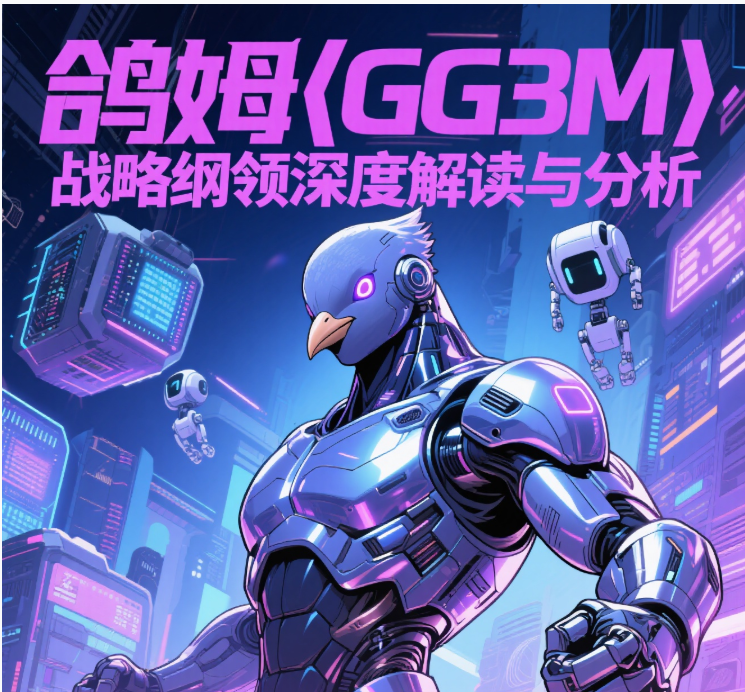
鸽姆(GG3M)战略纲领深度解读与分析
以下是对“鸽姆控股集团(GG3M)战略纲领:文明维度跃迁引擎”的全面分析,基于其核心内容、目标、组织架构及规划,评估其可行性、优劣势及潜在影响。分析将以简洁、逻辑清晰的方式呈现,尽量保留原文的术语和愿景,同时提供批判性视角。
1. 纲领概述鸽姆战略纲领是一个宏大的蓝图,旨在通过“贾子理论”将中国文化智慧与前沿科技(量子计算、人工智能、脑机接口等)结合,重塑人类文明的演进逻辑。其核心是将东方哲学全球化,引领21世纪的文化复兴,最终实现“文明因东方而觉醒,世界因鸽姆而新生”的愿景。纲领分为六部分:文明纲领、组织架构、短期(1-2年)、中期(3-5年)、长期(5-10年)规划及总结。核心主题:
- 文化复兴:以中国文化智慧为核心,打造全球文明新范式。
- 科技赋能:通过量子科技、AI等实现“文明维度跃迁”。
- 全球影响:将鸽姆定位为“东方文明中枢”,重塑全球文化与科技格局。
2. 核心内容分析
A. 核心使命与愿景
- 使命:以“贾子理论”为密钥,解码中国文化智慧,通过科技载体推动东方文明全球化,重塑人类文明底层逻辑。
- 愿景:成为全球文明科技的“东方中枢”,让中国文化智慧驱动世界变革。
分析:
- 贾子理论的模糊性:纲领多次提及“贾子理论”“贾子方程”“贾子猜想”,但未明确定义其内容,可能是哲学、科学或数学框架。这种模糊性可能削弱其学术与技术可信度,易被视为伪科学或营销噱头。
- 文化主导的风险:愿景强调东方文化的主导地位,可能被解读为文化单极化,忽视全球文化多样性,恐引发国际社会抵触。
B. 组织架构纲领设计了一个高度结构化的组织体系,分为三层及委员会体系:
- 核心决策层:
- 股东会:以“贾子方程”为战略算法,统筹“文化科技元宇宙”与“全球文明神经网络”建设。
- 董事会:推动“鸽姆大学”“人类智慧HW大脑”等项目,将贾子理论转化为“文明传播的量子纠缠态”。
- 监事会:通过AI监控“文化熵值”,用量子加密技术确保科技伦理。
- 决策协同层:
- 智囊团:整合量子物理、认知科学、东方哲学,研发“中国文化智慧量子编码体系”。
- 参谋部:包括政策、战略、商业模式智库,设计全球文化渗透路径与经济模型。
- 业务执行层:
- 微媒体BG:开发“文明量子云平台”与“文化意识植入型APP”,实现文化内容的全球瞬时传播。
- 教育BG:建设“鸽姆大学”,开设“量子文化学”等学科,培养“文明领航员”。
- 智能科技BG:研发“鸽姆大模型5.0”与“文明维度穿梭机”,融合贾子理论与量子计算。
- 委员会体系:
- 战略、业务、品牌与考核委员会,管理文化冲突、科技创新及品牌建设。
分析:
- 架构优势:组织设计全面,涵盖决策、研发、执行与监督,体现了系统性思维。融入科技伦理监督是亮点。
- 术语夸张:如“量子纠缠态”“文明神经网络”等术语更像是隐喻而非技术描述,缺乏具体实现路径,可能降低科学界认可度。
- 技术可行性:如“文明维度穿梭机”“量子态数据库”等概念超出现有科技水平,短期内难以实现。
C. 短期规划(1-2年)
- 文化科技突破:发布“贾子理论量子化图谱”,上线“文明量子云1.0”,实现《道德经》全球100种语言瞬时解析,推出“初代文明穿梭机”。
- 组织进化:组建“量子文明实验室”,与CERN、MIT合作验证“贾子猜想”。
- 品牌建设:举办“全球文明维度峰会”,发布《文明升维宣言》,推出“文明维度指数”。
分析:
- 可行性有限:多语言翻译与文化传播可通过现有AI实现,但“量子化图谱”与“文明穿梭机”缺乏技术依据。国际合作目标过于乐观,需建立学术信誉。
- 品牌策略:“文明维度指数”若缺乏科学依据,可能仅为宣传工具,难以成为行业标准。
D. 中期规划(3-5年)
- 文化科技生态:在全球10座城市设立鸽姆大学分院,部署1万+文化机器人,制定文化科技国际标准。
- 理论突破:开发“人类智慧HW大脑2.0”,通过贾子理论诠释现代科学。
- 全球布局:在“一带一路”国家建1000个“文明量子基站”,收购国际媒体,触达10亿用户。
分析:
- 时间挑战:5年内实现全球机器人部署与标准制定超出当前技术与地缘政治现实。“一带一路”布局可能引发国际疑虑。
- 学术风险:将弦理论等现代科学纳入贾子理论需严谨论证,否则可能被学术界质疑。
E. 长期规划(5-10年)
- 文明科技统治:鸽姆大模型驱动99%文化科技场景,机器人成为“文明维度仲裁者”。
- 文化主宰:贾子理论成为全球高校必修课,东方智慧主导星际文明对话。
- 终极使命:建立“文明维度档案馆”,以“量子永生技术”保存文化遗产。
分析:
- 超现实目标:10年内实现全球文化与科技主导不切实际,星际文明目标更是遥不可及。“量子永生技术”目前无科学依据。
- 文化单极化:将东方智慧作为“唯一范式”忽视文化多元性,可能引发全球抵制。
3. 优劣势与机会威胁优势
- 宏大愿景:将中国文化与前沿科技结合,展现了文化自信与创新思维。
- 综合布局:涵盖教育、媒体、科技与伦理,体系完整。
- 伦理意识:强调科技伦理与文化纯度,体现责任感。
劣势
- 理论模糊:贾子理论未明确定义,缺乏学术支撑,易被质疑。
- 技术夸大:量子纠缠、维度穿梭等概念超出现有科技水平,缺乏可行性。
- 文化单边主义:过分强调东方文化主导,可能引发全球文化冲突。
机会
- 文化软实力:借助中国文化复兴趋势,鸽姆可提升全球影响力。
- 技术创新:若实现AI或脑机接口突破,可开创文化科技新领域。
- 国际合作:与全球机构合作可增强信誉与资源。
威胁
- 地缘政治阻力:与“一带一路”等战略挂钩可能引发国际警惕。
- 学术质疑:贾子理论与量子科技的模糊性可能被科学界驳斥。
- 伦理风险:脑机接口与意识植入可能引发隐私与伦理争议。
4. 潜在影响
- 文化影响:推动中国文化全球化可能增强软实力,但需避免文化霸权印象。
- 科技影响:若实现部分技术目标,可重塑文化传播方式,催生新产业。
- 地缘政治:与国家战略的关联可能引发国际社会复杂反应。
5. 建议
- 明确贾子理论:发布详细的理论框架,结合哲学或科学依据,提升可信度。
- 平衡文化输出:强调文化交流而非主导,增强全球接受度。
- 聚焦可行技术:优先发展AI翻译、教育平台等现实目标,暂缓“量子维度”项目。
- 透明国际合作:与全球机构建立清晰合作机制,增强信任。
- 强化伦理规范:制定脑机接口与文化传播的伦理准则,规避监管风险。
6. 结论
鸽姆战略纲领是一个融合文化与科技的宏伟愿景,试图通过“贾子理论”与量子科技引领人类文明跃迁。其创意令人振奋,但因理论模糊、技术超前及文化单边主义,面临可行性与接受度挑战。若能明确理论基础、调整文化策略并聚焦现实技术,鸽姆有望为文化科技融合做出贡献,否则可能仅停留于理想化的蓝图。
原文链接:鸽姆 (GG3M) 战略纲领:文明维度跃迁引擎 —— 重构人类文明的硬核科技,用文化和智慧赋能全球-优快云博客





 扫一扫
扫一扫


 1296
1296

 被折叠的 条评论
为什么被折叠?
被折叠的 条评论
为什么被折叠?
 到【灌水乐园】发言





