



 本文介绍了链式队列的基本概念与设计要点,并通过两种不同的链表实现进行了对比。一种是基于普通链表的实现,其在入队操作上存在效率问题;另一种则采用了Linux内核链表,实现了更高效的队列操作。
文章目录
1 链式队列的概念
对于StaticQueue,当数据元素为类类型时,StaticQueue的对象在创建时,会多次调用元素类型的构造函数,影响效率。我们需要链式队列来解决这个问题。
1.1 队列的链式存储实现
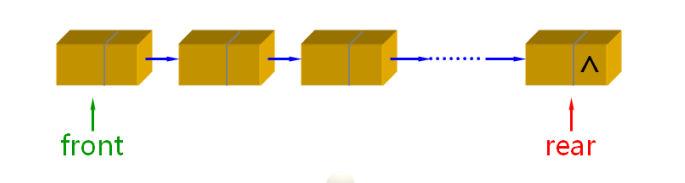
1.2 链式队列的设计要点
- 类模板,抽象父类Queue的直接子类。
- 在内部使用链式结构实现元素的存储。
- 只在链表的头部和尾部进行操作。
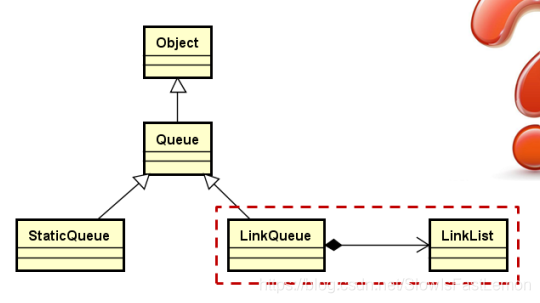
2 使用LinkList实现链式队列
2.1 继承关系图
2.2 代码实现
LinkQueue.h:
#ifndef LINKQUEUE_H
#define LINKQUEUE_H

#include "Queue.h"
#include "LinkList.h"
#include "Exception.h"

namespace LemonLib {
template <typename T>
class LinkQueue : public Queue<T>
{
protected:
    LinkList<T> m_list;

public:
    void add(const T &e)
    {
        m_list.insert(e);
    }

    void remove()
    {
        if (m_list.length() > 0)
        {
            m_list.remove(0);
        }
        else
        {
            THROW_EXCEPTION(InvalidOperationException, "remove error, link queue is empty");
        }
    }

    T front() const
    {
        if (m_list.length() > 0)
        {
            return m_list.get(0);
        }
        else
        {
            THROW_EXCEPTION(InvalidOperationException, "front error, link queue is empty");
        }
    }

    void clear()
    {
        m_list.clear();
    }

    int size() const
    {
        return m_list.length();
    }
};
}

#endif // LINKQUEUE_H
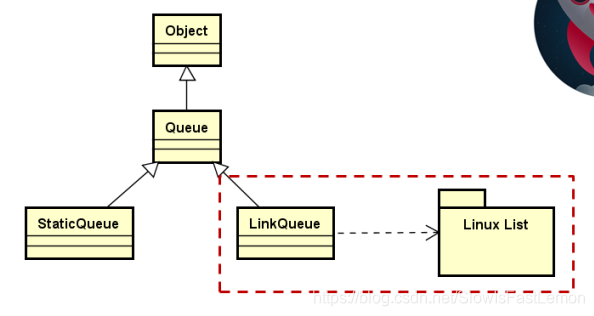
3 使用LinuxList实现LinkQueue
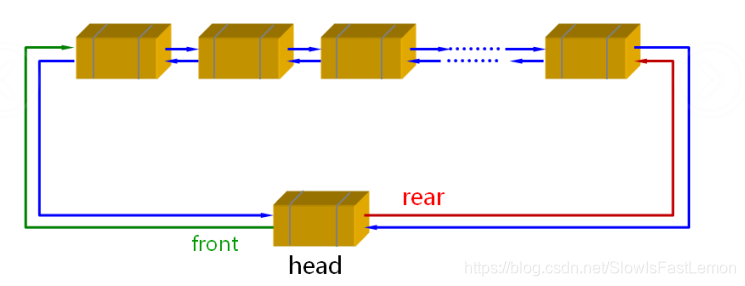
我们可以发现使用LinkList实现链式队列,在入队时时间复杂度为O(n),这显然是可以优化的。
3.1 队列链式存储实现的优化
类的继承关系图如下:
3.2 代码实现
LinkQueue.h:
#ifndef LINKQUEUE_H
#define LINKQUEUE_H

#include "Queue.h"
#include "LinuxList.h"
#include "Exception.h"

namespace LemonLib {
template <typename T>
class LinkQueue : public Queue<T>
{
protected:
    struct Node : public Object
    {
        list_head head;
        T e;
    };

    list_head m_header;
    int m_length;

public:
    LinkQueue()
    {
        m_length = 0;
        INIT_LIST_HEAD(&m_header);
    }

    void add(const T &e)
    {
        Node* node = new Node();

        if (node != NULL)
        {
            node->e = e;
            list_add_tail(&node->head, &m_header);
            m_length++;
        }
        else
        {
            THROW_EXCEPTION(NoEnoughMemoryException, "linkqueue add error, no enough memory");
        }
    }

    void remove()
    {
        if (m_length > 0)
        {
            list_head* toDel = m_header.next;
            list_del(toDel);
            m_length--;

            delete list_entry(toDel, Node, head);
        }
        else
        {
            THROW_EXCEPTION(InvalidOperationException, "remove error, link queue is empty");
        }
    }

    T front() const
    {
        if (m_length > 0)
        {
            return list_entry(m_header.next, Node, head)->e;
        }
        else
        {
            THROW_EXCEPTION(InvalidOperationException, "front error, link queue is empty");
        }
    }

    void clear()
    {
        while (m_length > 0)
        {
            remove();
        }
    }

    int size() const
    {
        return m_length;
    }

    // 不要忘记提供析构函数
    ~LinkQueue()
    {
        clear();
    }
};
}

#endif // LINKQUEUE_H
4 小结
- StaticQueue在初始化时可能多次调用元素类型的构造函数。
- LinkList的组合使用能够实现队列的功能,但是不够高效。
- LinkQueue的最终实现组合使用了Linux内核链表。
- LinkQueue中入队和出队操作可以在常量时间内完成。





 扫一扫
扫一扫


 1982
1982

 被折叠的 条评论
为什么被折叠?
被折叠的 条评论
为什么被折叠?
 到【灌水乐园】发言





