



 该博客主要展示了如何使用Java动态代理(Proxy)实现方法调用的前后增强功能。通过创建InvocationHandler并结合Proxy.newProxyInstance(),可以在目标方法执行前后插入自定义逻辑,例如添加日志或验证操作。示例中定义了一个接口INeedAgent,一个其实现类NeedAgentImpl,以及一个代理类MyProxy,MyProxy的getProxy()方法用于生成代理对象。在代理对象调用doTest()方法时,会先执行beforeInvoke(),然后执行实际的方法,最后调用afterInvoke()。这个例子为理解Java动态代理提供了一个简单的应用场景。
demo:
/**
 * 2021年6月2日上午10:25:36
 */
package testProxy;

import java.lang.reflect.InvocationHandler;
import java.lang.reflect.Method;
import java.lang.reflect.Proxy;

/**
 * @author XWF
 *
 */
public class TestProxy {

	/**
	 * @param args
	 */
	public static void main(String[] args) {
		INeedAgent a = new NeedAgentImpl();
		INeedAgent proxy = MyProxy.getProxy(a);
		proxy.doTest("TEST");
	}

}

interface INeedAgent {

	public void doTest(String str);

}

class NeedAgentImpl implements INeedAgent {

	@Override
	public void doTest(String str) {
		System.out.println("doTest:" + str);
	}

}

class MyProxy {

	@SuppressWarnings("unchecked")
	public static <T> T getProxy(T obj) {
		return (T) Proxy.newProxyInstance(obj.getClass().getClassLoader(), obj.getClass().getInterfaces(),
				new InvocationHandler() {

					@Override
					public Object invoke(Object proxy, Method method, Object[] args) throws Throwable {
						beforeInvoke();
						Object result = method.invoke(obj, args);
						afterInvoke();
						return result;
					}
				});
	}

	private static void beforeInvoke() {
		System.out.println("before invoke.");
	}

	private static void afterInvoke() {
		System.out.println("after invoke.");
	}

}
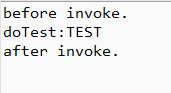
运行结果:





 扫一扫
扫一扫


 477
477

 被折叠的 条评论
为什么被折叠?
被折叠的 条评论
为什么被折叠?
 到【灌水乐园】发言





