



 本文深入解析SQL中的连接类型,包括内连接、外连接、交叉连接等,通过实例演示了等值连接、非等值连接及自连接的应用场景,同时对比了SQL92与SQL99标准下的不同语法。
分类:
按年代分类:
		 SQL92标准:仅支持内连接
		 SQL99标准【推荐】:支持内连接 + 外连接(左外和右外)+ 交叉连接

按功能分类:
		内连接:
				等值连接
				非等值连接
				自连接
		外连接:
				左外连接
				右外连接
				全外连接
		交叉连接
一、SQL92标准:
支持所有内连接:
1、等值连接:
#查询城市名中第二个字符为o的部门名和城市名:
select departmentName, cityName
from departments d, locations l
where d.locationId = l.locationId
and cityName like '_o%';

# 三表连接:
select lastName, departmentName, cityName
from employees e, departments d, locations l
where d.locationId = l.locationId
and cityName like 's%';
总结:
① 多表等值连接的结果为多表的交集部分;
② n表连接,至少需要n-1个连接条件;
③ 多表的顺序无要求;
④ 一般需要为表起别名;
⑤ 可以搭配排序、分组、筛选等使用。
2、非等值连接:
#查询员工的工资和工资级别:
select salary, salaryLevel
from employees e, salaryGrades g
where salary between g.lowestSalary and g.highestSalary;
3、自连接:
#查询员工名和上级的名称;
select e.employeeId, e.lastName, m.employeeId, m.lastName
from employees e, employees m
where e.managerId = m.employeeId
二、SQL99语法:
语法:
select 查询列表
from 表1 别名 【连接类型】
join 表2 别名
on 连接条件
【where 筛选条件】
【group by 分组】
【having 筛选条件】
【order by 排序列表】
分类:
内连接(*):innner
外连接:left 【outer】
		左外连接(*):right 【outer】
		右外连接(*):full 【outer】
		全外:full 【outer】
交叉连接:cross
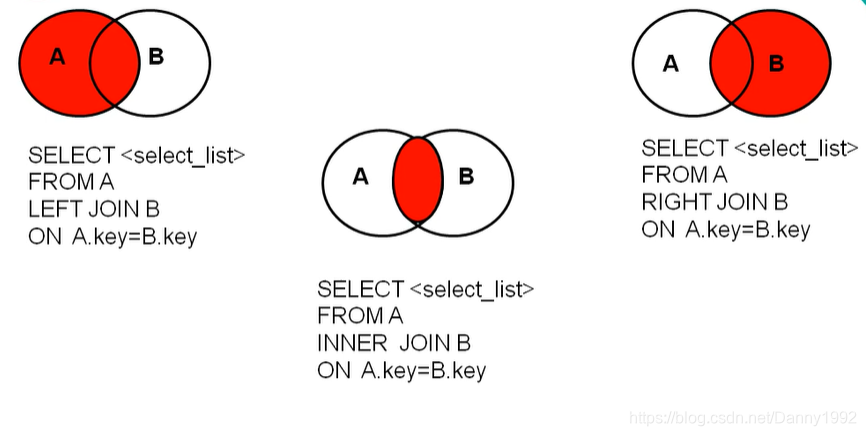
(一)、内连接:
语法:
select 查询列表
from 表1 别名
inner join 表2 别名
on 连接条件;
分类:
等值连接、非等值连接、自连接。
特点:
① 可添加排序、分组、筛选;
② inner可以省略;
③ 筛选条件放在where后面,连接条件放在on后面,提高分离性,便于阅读;
④ inner join连接与SQL92语法中的等值连接效果是一样的,都是查询多表的交集。
1、内连接:
#查询员工名、部门名
select lastName, departmentName
from departments d
inner join employees e
on e.departmentId = d.departmentId;
#查询名字中包含e的员工名和工种名(添加筛选)
select lastName, jobTitle
from employees e
inner join jobs j
on e.jobId = j.jobId
where e.lastName like  '%e%';
#查询部门个数>3的城市名和部门个数(添加分组+筛选)
select cityName, count(*) 部门个数
from departments d
inner join locations l
on d.locationId = l.locationId
group by cityName
having count(*) > 3;
#查询员工个数>3的部门名和员工个数,并按个数降序(添加排序)
① 查询每个部门的员工个数
select departmentName, count(*)
from employees e
inner join departments d
on e.departmentId = d.departmentId
group by departmentName
② 在①的基础上筛选员工个数>3的记录,并排序
select departmentName, count(*)
from employees e
inner join departments d
on e.departmentId = d.departmentId
group by departmentName
having count(*) > 3
order by count(*) desc;
#查询员工名、部门名、工种名,并按部门名降序(添加三表连接)
select lastName, departmentName, jobTitlesName
from employees e
inner join departments d
on e.departmentId = d.departmentId
inner join jobTitles j on e.jobId = j.jobId
order by departmentName desc;
2、非等值连接:
#查询员工的工资级别
select salary, gradeLevel
from employees e
join jobGrades g
on e.salary between g.lowestSalary and highestSalary;
#查询工资级别个数>20的个数,并按工资级别降序排序
select count(*), gradeLevel
from employees e
join jobGrades g
on e.salary between g.lowestSalary and highestSalary
group by gradeLevel
having count(*) > 20
order by gradeLevve desc
3、自连接:
#查询员工的名称、上级的名称
select e.lastName, m.lastName
from employees e
join employees m
on e.managerId = m.employeeId
(二)、外连接:
用于查询一个表中有,另一张表中无的记录。
特点:
① 外连接的查询结果为主表中的所有记录:
	若从表中有和它匹配的记录,则显示匹配的值;
	若从表中没有和它匹配的记录,则显示null;
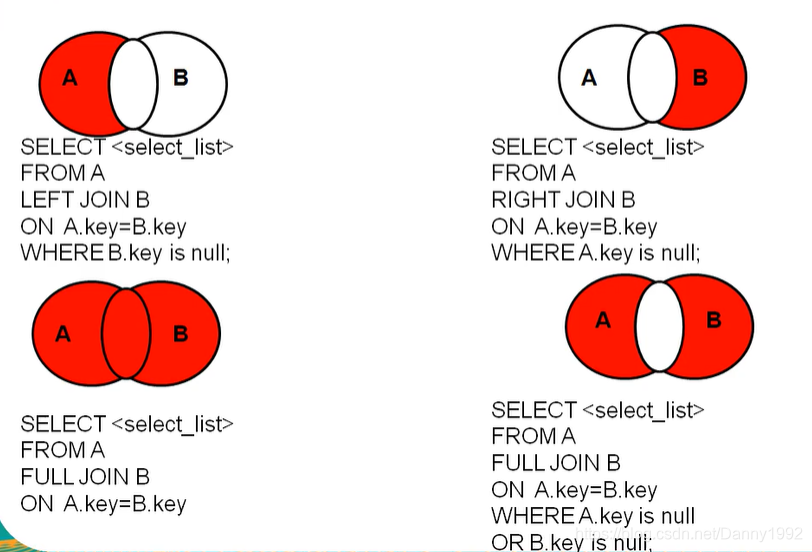
	外连接查询结果=内连接查询结果+主表中有而从表中没有的记录
② 左外连接,left join左边的是主表;右外连接,right join右边的是主表;
③ 左外和右外交换两个表的顺序,可实现同样的效果。
#引入:查询男朋友不在男生表中的女生名
#左外
select b.name, bo.*
from beauty b
left outer join boys bo
on g.boyfriendId = bo.id
where bo.id is null;

#右外
select b.name, bo.*
from boys bo
right outer join beauty b
on g.boyfriendId = bo.id
where bo.id is null;
(二)、全外连接(mysql不支持):
全外连接 = 内连接结果 + 表1中有但表2中无 + 表2中有但表1中无的记录
(三)、交叉连接:
返回结果为两个表的笛卡尔乘积。
select b.*, bo.*
from beauty b
cross join boys bo;
总结:





 扫一扫
扫一扫


 818
818

 被折叠的 条评论
为什么被折叠?
被折叠的 条评论
为什么被折叠?
 到【灌水乐园】发言





