



先自我介绍一下,小编浙江大学毕业,去过华为、字节跳动等大厂,目前阿里P7
深知大多数程序员,想要提升技能,往往是自己摸索成长,但自己不成体系的自学效果低效又漫长,而且极易碰到天花板技术停滞不前!
因此收集整理了一份《2024年最新Java开发全套学习资料》,初衷也很简单,就是希望能够帮助到想自学提升又不知道该从何学起的朋友。
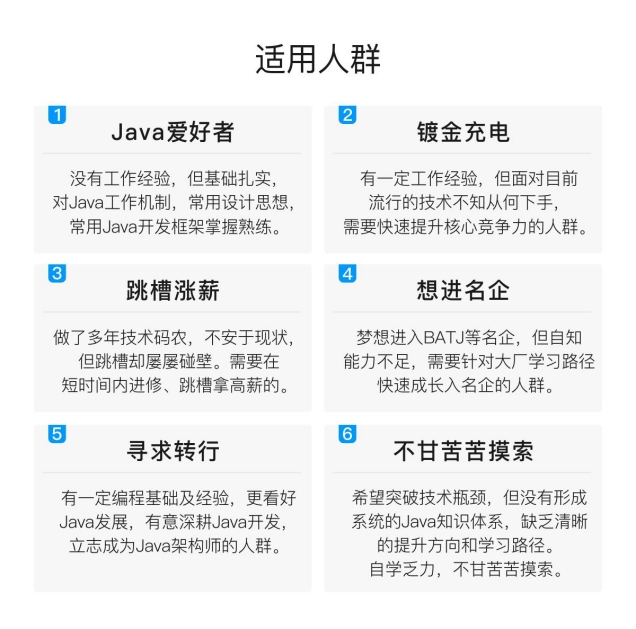
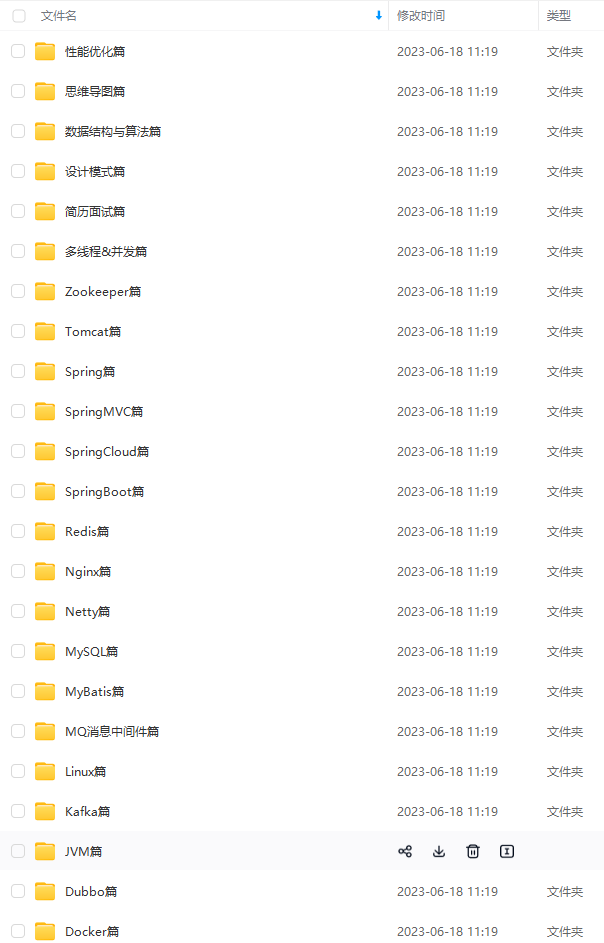
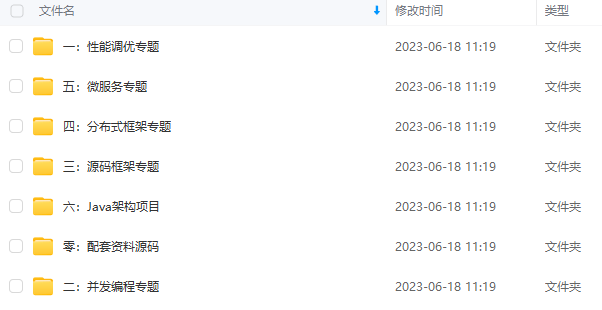
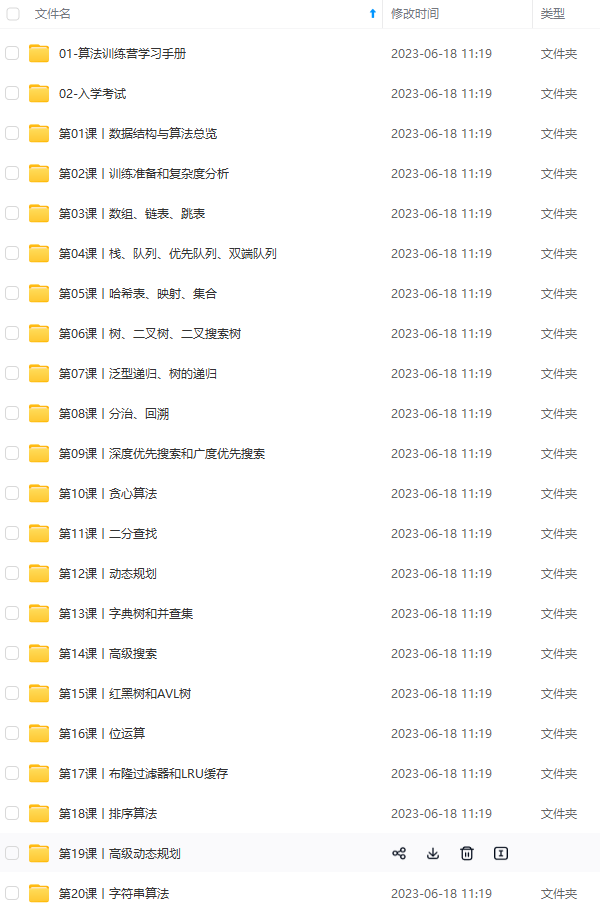


既有适合小白学习的零基础资料,也有适合3年以上经验的小伙伴深入学习提升的进阶课程,涵盖了95%以上Java开发知识点,真正体系化!
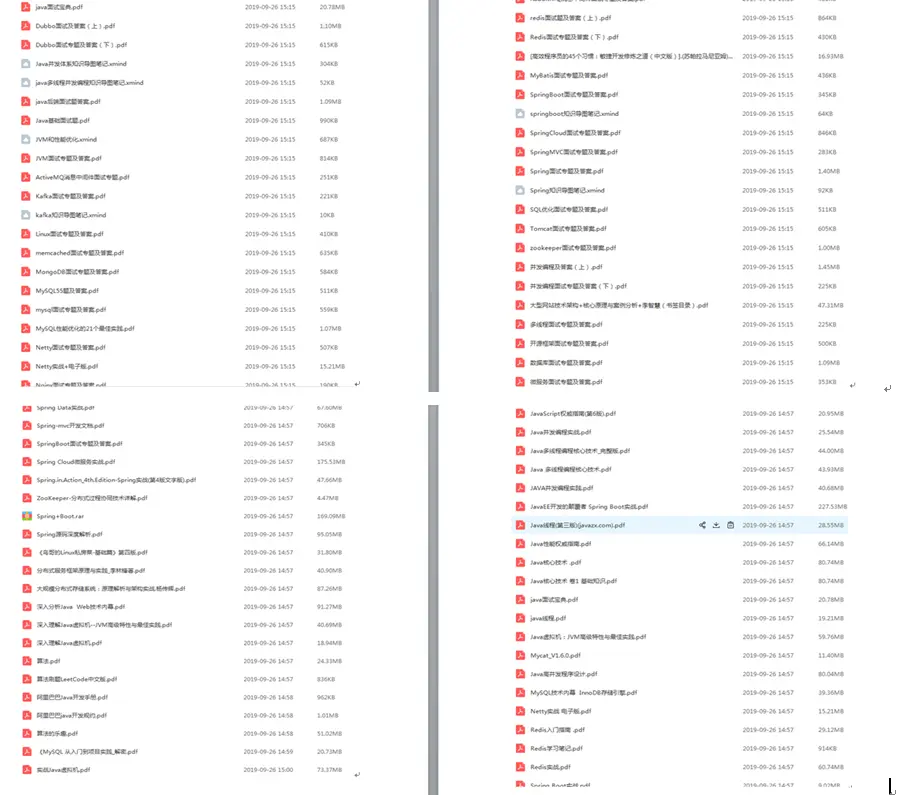
由于文件比较多,这里只是将部分目录截图出来,全套包含大厂面经、学习笔记、源码讲义、实战项目、大纲路线、讲解视频,并且后续会持续更新
如果你需要这些资料,可以添加V获取:vip1024b (备注Java)

正文
// Propagate exception to caller.
throw ex;
}
}
}
接下来逐个分析吧:
prepareRefresh方法
prepareRefresh方法的源码如下:
protected void prepareRefresh() {
//记录初始化开始时间
this.startupDate = System.currentTimeMillis();
//context是否关闭的标志,设置为false
this.closed.set(false);
//context是否激活的标志,设置为true
this.active.set(true);
if (logger.isInfoEnabled()) {
logger.info("Refreshing " + this);
}
//留给子类实现的空方法
initPropertySources();
/**
AbstractPropertyResolver类的requiredProperties是个集合,
在下面的validateRequiredProperties方法中,都要拿requiredProperties中的元素作为key去检查是否存在对应的环境变量,
如果不存在就抛出异常
*/
getEnvironment().validateRequiredProperties();
}
上述代码中,注意以下两处:
- initPropertySources是个空方法,是留给子类实现的,以AnnotationConfigWebApplicationContext类为例,就overwrite了initPropertySources方法:
@Override
protected void initPropertySources() {
ConfigurableEnvironment env = getEnvironment();
if (env instanceof ConfigurableWebEnvironment) {
((ConfigurableWebEnvironment) env).initPropertySources(this.servletContext, this.servletConfig);
}
}
跟踪上面的initPropertySources方法,最终找到了WebApplicationContextUtils.initServletPropertySources:
public static void initServletPropertySources(
MutablePropertySources propertySources, ServletContext servletContext, ServletConfig servletConfig) {
Assert.notNull(propertySources, “propertySources must not be null”);
if (servletContext != null && propertySources.contains(StandardServletEnvironment.SERVLET_CONTEXT_PROPERTY_SOURCE_NAME) &&
propertySources.get(StandardServletEnvironment.SERVLET_CONTEXT_PROPERTY_SOURCE_NAME) instanceof StubPropertySource) {
propertySources.replace(StandardServletEnvironment.SERVLET_CONTEXT_PROPERTY_SOURCE_NAME,
new ServletContextPropertySource(StandardServletEnvironment.SERVLET_CONTEXT_PROPERTY_SOURCE_NAME, servletContext));
}
if (servletConfig != null && propertySources.contains(StandardServletEnvironment.SERVLET_CONFIG_PROPERTY_SOURCE_NAME) &&
propertySources.get(StandardServletEnvironment.SERVLET_CONFIG_PROPERTY_SOURCE_NAME) instanceof StubPropertySource) {
propertySources.replace(StandardServletEnvironment.SERVLET_CONFIG_PROPERTY_SOURCE_NAME,
new ServletConfigPropertySource(StandardServletEnvironment.SERVLET_CONFIG_PROPERTY_SOURCE_NAME, servletConfig));
}
}
上面的代码所做的事情,就是给context增加环境变量数据(数据来自servlet相关的配置信息),这样spring环境就能从context中随时key取得对应的变量了;
- getEnvironment().validateRequiredProperties()的作用是用来校验context中是否存在"某些"变量,何谓"某些"?来看validateRequiredProperties方法,追踪到多层调用,最终在AbstractPropertyResolver类的validateRequiredProperties方法中实现:
@Override
public void validateRequiredProperties() {
MissingRequiredPropertiesException ex = new MissingRequiredPropertiesException();
for (String key : this.requiredProperties) {
if (this.getProperty(key) == null) {
ex.addMissingRequiredProperty(key);
}
}
if (!ex.getMissingRequiredProperties().isEmpty()) {
throw ex;
}
}
上述代码显示,如果集合requiredProperties中的name在context中找不到对应的变量,就会抛出异常;
那么问题来了,requiredProperties集合是何时设置的呢?spring-framework中并没有调用,但是官方的单元测试源码给我们了启发,如下图:
如上图红框,如果业务需要确保某些变量在spring环境中必须存在,就可以调用setRequiredProperties方法将变量的name传递进去,这样validateRequiredProperties方法就会做检查了,我们可以基于现有的各种ApplicationContext实现自己定制一个Context类,确保在validateRequiredProperties方法调用之前调用setRequiredProperties方法将变量的name传递进去(例如重写initPropertySources),就能让spring帮我们完成检查了;
obtainFreshBeanFactory()
接下来看ConfigurableListableBeanFactory beanFactory = obtainFreshBeanFactory();得到临时变量beanFactory,先看看ConfigurableListableBeanFactory和BeanFactory的关系:
再看看obtainFreshBeanFactory方法:
protected ConfigurableListableBeanFactory obtainFreshBeanFactory() {
//由子类创建beanFactory
refreshBeanFactory();
//取得子类创建好的beanFactory,作为obtainFreshBeanFactory方法的返回值返回
ConfigurableListableBeanFactory beanFactory = getBeanFactory();
if (logger.isDebugEnabled()) {
logger.debug("Bean factory for " + getDisplayName() + ": " + beanFactory);
}
return beanFactory;
}
上述代码中有的refreshBeanFactory需要细看;
refreshBeanFactory方法
refreshBeanFactory方法,在AbstractApplicationContext类中是抽象方法,具体实现在子类中,以其子类AbstractRefreshableApplicationContext为例,我们来看看refreshBeanFactory方法的实现:
@Override
protected final void refreshBeanFactory() throws BeansException {
//如果beanFactory已经存在,就销毁context管理的所有bean,并关闭beanFactory
if (hasBeanFactory()) {
//其实就是调用一些集合的clear方法,解除对一些实例的引用,参考DefaultSingletonBeanRegistry.destroySingletons方法
destroyBeans();
//关闭当前的beanFactory,其实就是将成员变量beanFactory设置为null
closeBeanFactory();
}
try {
DefaultListableBeanFactory beanFactory = createBeanFactory();
beanFactory.setSerializationId(getId());
customizeBeanFactory(beanFactory);
loadBeanDefinitions(beanFactory);
synchronized (this.beanFactoryMonitor) {
this.beanFactory = beanFactory;
}
}
catch (IOException ex) {
throw new ApplicationContextException("I/O error parsing bean definition source for " + getDisplayName(), ex);
}
}
- createBeanFactory方法实际上返回的是一个DefaultListableBeanFactory实例:
protected DefaultListableBeanFactory createBeanFactory() {
return new DefaultListableBeanFactory(getInternalParentBeanFactory());
}
- 接下来的customizeBeanFactory方法是留给子类OverWrite的,该方法的说明和源码如下,说明中推荐通过OverWrite的方式对现有beanFactory做特别的设置:
/**
-
Customize the internal bean factory used by this context.
-
Called for each {@link #refresh()} attempt.
-
The default implementation applies this context's
-
{@linkplain #setAllowBeanDefinitionOverriding “allowBeanDefinitionOverriding”}
-
and {@linkplain #setAllowCircularReferences “allowCircularReferences”} settings,
-
if specified. Can be overridden in subclasses to customize any of
-
{@link DefaultListableBeanFactory}'s settings.
-
@param beanFactory the newly created bean factory for this context
-
@see DefaultListableBeanFactory#setAllowBeanDefinitionOverriding
-
@see DefaultListableBeanFactory#setAllowCircularReferences
-
@see DefaultListableBeanFactory#setAllowRawInjectionDespiteWrapping
-
@see DefaultListableBeanFactory#setAllowEagerClassLoading
*/
protected void customizeBeanFactory(DefaultListableBeanFactory beanFactory) {
if (this.allowBeanDefinitionOverriding != null) {
//allowBeanDefinitionOverriding表示是否允许注册一个同名的类来覆盖原有类(注意是类,不是实例)
beanFactory.setAllowBeanDefinitionOverriding(this.allowBeanDefinitionOverriding);
}
if (this.allowCircularReferences != null) {
//allowCircularReferences表示是否运行多个类之间的循环引用
beanFactory.setAllowCircularReferences(this.allowCircularReferences);
}
}
- loadBeanDefinitions在AbstractRefreshableApplicationContext类中是个抽象方法,留给子类实现,作用是把所有bean的定义后保存在context中,以AbstractXmlApplicationContext为例,看看loadBeanDefinitions方法做了什么:
/**
-
Loads the bean definitions via an XmlBeanDefinitionReader.
-
@see org.springframework.beans.factory.xml.XmlBeanDefinitionReader
-
@see #initBeanDefinitionReader
-
@see #loadBeanDefinitions
*/
@Override
protected void loadBeanDefinitions(DefaultListableBeanFactory beanFactory) throws BeansException, IOException {
// Create a new XmlBeanDefinitionReader for the given BeanFactory.
XmlBeanDefinitionReader beanDefinitionReader = new XmlBeanDefinitionReader(beanFactory);
// Configure the bean definition reader with this context’s
// resource loading environment.
beanDefinitionReader.setEnvironment(this.getEnvironment());
beanDefinitionReader.setResourceLoader(this);
beanDefinitionReader.setEntityResolver(new ResourceEntityResolver(this));
// Allow a subclass to provide custom initialization of the reader,
// then proceed with actually loading the bean definitions.
initBeanDefinitionReader(beanDefinitionReader);
loadBeanDefinitions(beanDefinitionReader);
}
以上代码可见,加载bean的定义是通过XmlBeanDefinitionReader 来完成的,重点关注loadBeanDefinitions方法:
protected void loadBeanDefinitions(XmlBeanDefinitionReader reader) throws BeansException, IOException {
Resource[] configResources = getConfigResources();
if (configResources != null) {
reader.loadBeanDefinitions(configResources);
}
String[] configLocations = getConfigLocations();
if (configLocations != null) {
reader.loadBeanDefinitions(configLocations);
}
}
上述代码中的getConfigResources()和getConfigLocations(),究竟哪个会返回值有效数据呢?这就要去看ClassPathXmlApplicationContext的构造方法了:
//这个方法设置的是configLocations
public ClassPathXmlApplicationContext(String[] configLocations, boolean refresh, ApplicationContext parent)
throws BeansException {
super(parent);
setConfigLocations(configLocations);
if (refresh) {
refresh();
}
}
//这个方法设置的是这个方法设置的是configResources
public ClassPathXmlApplicationContext(String[] paths, Class<?> clazz, ApplicationContext parent)
throws BeansException {
super(parent);
Assert.notNull(paths, “Path array must not be null”);
Assert.notNull(clazz, “Class argument must not be null”);
this.configResources = new Resource[paths.length];
for (int i = 0; i < paths.length; i++) {
this.configResources[i] = new ClassPathResource(paths[i], clazz);
}
refresh();
}
因此,到底是configLocations 还是configResources ,和我们使用哪个构造方法来实例化applicationContext对象有关;
- 如果我们实例化applicationContext对象的方式是new ClassPathXmlApplicationContext(“applicationContext.xml”),那么setConfigLocations方法就会被调用,因此loadBeanDefinitions方法内部,实际执行的代码如下:
String[] configLocations = getConfigLocations();
if (configLocations != null) {
reader.loadBeanDefinitions(configLocations);
}
- 现在可以来看AbstractBeanDefinitionReader类的loadBeanDefinitions(String… locations)方法了:
public int loadBeanDefinitions(String… locations) throws BeanDefinitionStoreException {
Assert.notNull(locations, “Location array must not be null”);
int counter = 0;
for (String location : locations) {
counter += loadBeanDefinitions(location);
}
return counter;
}
展开上面for循环中调用的方法:
public int loadBeanDefinitions(String location, Set actualResources) throws BeanDefinitionStoreException {
ResourceLoader resourceLoader = getResourceLoader();
if (resourceLoader == null) {
throw new BeanDefinitionStoreException(
“Cannot import bean definitions from location [” + location + “]: no ResourceLoader available”);
}
if (resourceLoader instanceof ResourcePatternResolver) {
// Resource pattern matching available.
try {
Resource[] resources = ((ResourcePatternResolver) resourceLoader).getResources(location);
int loadCount = loadBeanDefinitions(resources);
if (actualResources != null) {
for (Resource resource : resources) {
actualResources.add(resource);
}
}
if (logger.isDebugEnabled()) {
logger.debug(“Loaded " + loadCount + " bean definitions from location pattern [” + location + “]”);
}
return loadCount;
}
catch (IOException ex) {
throw new BeanDefinitionStoreException(
“Could not resolve bean definition resource pattern [” + location + “]”, ex);
}
}
else {
// Can only load single resources by absolute URL.
Resource resource = resourceLoader.getResource(location);
int loadCount = loadBeanDefinitions(resource);
if (actualResources != null) {
actualResources.add(resource);
}
if (logger.isDebugEnabled()) {
logger.debug(“Loaded " + loadCount + " bean definitions from location [” + location + “]”);
}
return loadCount;
}
}
以上方法中,首先要记得resourceLoader是ClassPathXmlApplicationContext(beanDefinitionReader.setResourceLoader(this)这行代码),所有resourceLoader.getResource(location)这行代码最终会调用PathMatchingResourcePatternResolver类的getResources(String locationPattern)方法得到bean有关的Resource对象;得到Resource对象后,接着会调用loadBeanDefinitions(Resource… resources)方法来加载bean的定义了,最终是调用XmlBeanDefinitionReader.loadBeanDefinitions(EncodedResource encodedResource)方法:
public int loadBeanDefinitions(EncodedResource encodedResource) throws BeanDefinitionStoreException {
Assert.notNull(encodedResource, “EncodedResource must not be null”);
if (logger.isInfoEnabled()) {
logger.info("Loading XML bean definitions from " + encodedResource.getResource());
}
Set currentResources = this.resourcesCurrentlyBeingLoaded.get();
if (currentResources == null) {
currentResources = new HashSet(4);
this.resourcesCurrentlyBeingLoaded.set(currentResources);
}
if (!currentResources.add(encodedResource)) {
throw new BeanDefinitionStoreException(
“Detected cyclic loading of " + encodedResource + " - check your import definitions!”);
}
try {
InputStream inputStream = encodedResource.getResource().getInputStream();
try {
InputSource inputSource = new InputSource(inputStream);
if (encodedResource.getEncoding() != null) {
inputSource.setEncoding(encodedResource.getEncoding());
}
return doLoadBeanDefinitions(inputSource, encodedResource.getResource());
}
finally {
inputStream.close();
}
}
catch (IOException ex) {
throw new BeanDefinitionStoreException(
"IOException parsing XML document from " + encodedResource.getResource(), ex);
}
finally {
currentResources.remove(encodedResource);
if (currentResources.isEmpty()) {
this.resourcesCurrentlyBeingLoaded.remove();
}
}
}
上述代码可见,重要的是通过Resource对象得到InputStream,再调用doLoadBeanDefinitions方法:
protected int doLoadBeanDefinitions(InputSource inputSource, Resource resource)
throws BeanDefinitionStoreException {
try {
Document doc = doLoadDocument(inputSource, resource);
return registerBeanDefinitions(doc, resource);
}
…
上面是加载bean定义的关键代码:先制作Document对象,再调用registerBeanDefinitions方法,最终会将每个bean的定义放入DefaultListableBeanFactory的beanDefinitionMap中,详细的堆栈如下图:
完成了bean定义的注册,可以回到AbstractRefreshableApplicationContext.refreshBeanFactory方法了,看看loadBeanDefinitions(beanFactory)之后的代码:
synchronized (this.beanFactoryMonitor) {
this.beanFactory = beanFactory;
}
至此,refreshBeanFactory方法分析完毕,该方法所做的事情:把xml文件中的bean定义被解析后,存放在DefaultListableBeanFactory的beanDefinitionMap中;
现在回到主线的AbstractApplicationContext.refresh()方法内,obtainFreshBeanFactory()我们已经分析完毕,所有bean定义都被存放在beanFactory这个临时变量对应的实例中;
prepareBeanFactory
接下来是prepareBeanFactory(beanFactory),看一下此方法的源码:
protected void prepareBeanFactory(ConfigurableListableBeanFactory beanFactory) {
//设置类加载器
beanFactory.setBeanClassLoader(getClassLoader());
//设置解析器,用于解析bean的定义中出现的Spel表达式表达式
beanFactory.setBeanExpressionResolver(new StandardBeanExpressionResolver(beanFactory.getBeanClassLoader()));
//设置一个注册接口,该接口只有一个方法registerCustomEditors,用来设置自定义的转换器
beanFactory.addPropertyEditorRegistrar(new ResourceEditorRegistrar(this, getEnvironment()));
// 部署一个bean的后置处理器ApplicationContextAwareProcessor,用于将spring的环境信息注入到实例化的bean之中
beanFactory.addBeanPostProcessor(new ApplicationContextAwareProcessor(this));
//bean在初始化的时候,如果有属性的类型为ResourceLoaderAware,则该属性不会被依赖注入
beanFactory.ignoreDependencyInterface(ResourceLoaderAware.class);
beanFactory.ignoreDependencyInterface(ApplicationEventPublisherAware.class);
beanFactory.ignoreDependencyInterface(MessageSourceAware.class);
beanFactory.ignoreDependencyInterface(ApplicationContextAware.class);
beanFactory.ignoreDependencyInterface(EnvironmentAware.class);
// BeanFactory interface not registered as resolvable type in a plain factory.
// MessageSource registered (and found for autowiring) as a bean.
//bean如果有个属性的类型为BeanFactory.class,那么该属性会被设置为beanFactory
beanFactory.registerResolvableDependency(BeanFactory.class, beanFactory);
beanFactory.registerResolvableDependency(ResourceLoader.class, this);
beanFactory.registerResolvableDependency(ApplicationEventPublisher.class, this);
beanFactory.registerResolvableDependency(ApplicationContext.class, this);
// Detect a LoadTimeWeaver and prepare for weaving, if found.
if (beanFactory.containsBean(LOAD_TIME_WEAVER_BEAN_NAME)) {
// 部署一个bean的后置处理器ApplicationContextAwareProcessor,用于AOP静态代理相关的处理
beanFactory.addBeanPostProcessor(new LoadTimeWeaverAwareProcessor(beanFactory));
// Set a temporary ClassLoader for type matching.
beanFactory.setTempClassLoader(new ContextTypeMatchClassLoader(beanFactory.getBeanClassLoader()));
}
// Register default environment beans.
if (!beanFactory.containsLocalBean(ENVIRONMENT_BEAN_NAME)) {
//注册一个bean
beanFactory.registerSingleton(ENVIRONMENT_BEAN_NAME, getEnvironment());
}
if (!beanFactory.containsLocalBean(SYSTEM_PROPERTIES_BEAN_NAME)) {
beanFactory.registerSingleton(SYSTEM_PROPERTIES_BEAN_NAME, getEnvironment().getSystemProperties());
}
if (!beanFactory.containsLocalBean(SYSTEM_ENVIRONMENT_BEAN_NAME)) {
beanFactory.registerSingleton(SYSTEM_ENVIRONMENT_BEAN_NAME, getEnvironment().getSystemEnvironment());
}
}
上述代码中有以下几点需要注意:
-
beanFactory.addPropertyEditorRegistrar(new ResourceEditorRegistrar(this, getEnvironment())),此方法要配合AbstractBeanFactory.registerCustomEditors方法一起看更好理解:addPropertyEditorRegistrar方法向propertyEditorRegistrars属性中放入了一个registrar,之后调用registerCustomEditors方法的时候,会用到propertyEditorRegistrars中的registrar,调用这些registrar的registerCustomEditors方法,完成自定义的转换器的设置;
-
beanFactory.addBeanPostProcessor方法用来注入后置处理器,在bean实例被创建后,初始化方法被执行的前后,后置处理器的postProcessBeforeInitialization、postProcessAfterInitialization这两个方法会分别被调用;
-
beanFactory.ignoreDependencyInterface设置了依赖注入时要忽略的接口,例如bean有个属性类型是ResourceLoaderAware,那么该属性不会被注入ResourceLoaderAware类型的实例;
-
beanFactory.registerResolvableDependency(BeanFactory.class, beanFactory)是特殊设置,如果一个bean有个属性的类型是BeanFactory,那么该属性会被设置为beanFactory这个实例;
总的来说prepareBeanFactory方法就是为beanFactory做一些设置工作,传入一些后面会用到的参数和工具类,再在spring容器中创建一些bean;
postProcessBeanFactory
postProcessBeanFactory方法是留给子类扩展的,可以在bean实例初始化之前注册后置处理器(类似prepareBeanFactory方法中的beanFactory.addBeanPostProcessor),以子类AbstractRefreshableWebApplicationContext为例,其postProcessBeanFactory方法如下:
protected void postProcessBeanFactory(ConfigurableListableBeanFactory beanFactory) {
beanFactory.addBeanPostProcessor(new ServletContextAwareProcessor(this.servletContext, this.servletConfig));
beanFactory.ignoreDependencyInterface(ServletContextAware.class);
beanFactory.ignoreDependencyInterface(ServletConfigAware.class);
WebApplicationContextUtils.registerWebApplicationScopes(beanFactory, this.servletContext);
WebApplicationContextUtils.registerEnvironmentBeans(beanFactory, this.servletContext, this.servletConfig);
}
可见除了WebApplicationContextUtils类的工作之外,其余的都是和prepareBeanFactory方法中类似的处理;
invokeBeanFactoryPostProcessors
invokeBeanFactoryPostProcessors方法用来执行BeanFactory实例的后置处理器BeanFactoryPostProcessor的postProcessBeanFactory方法,这个后置处理器除了原生的,我们也可以自己扩展,用来对Bean的定义做一些修改,由于此时bean还没有实例化,所以不要在自己扩展的BeanFactoryPostProcessor中调用那些会触发bean实例化的方法(例如BeanFactory的getBeanNamesForType方法),源码的文档中有相关说明,如下图红框所示,不要触发bean的实例化,如果要处理bean实例请在BeanPostProcessor中进行;:
registerBeanPostProcessors
registerBeanPostProcessors方法的代码略多,就不在此贴出来了,简单的说,就是找出所有的bean的后置处理器(注意,是bean的后置处理器,不是beanFactory的后置处理器,bean后置处理器处理的是bean实例,beanfactory后置处理器处理的是bean的定义),然后将这些bean的后置处理器分为三类:
-
实现了顺序接口Ordered.class的,先放入orderedPostProcessors集合,排序后顺序加入beanFactory的bean后处理集合中;
-
既没有实现Ordered.class,也没有实现PriorityOrdered.class的后置处理器,也加入到beanFactory的bean后处理集合中;
-
最后是实现了优先级接口PriorityOrdered.class的,排序后顺序加入beanFactory的bean后处理集合中;
registerBeanPostProcessors方法执行完毕后,beanFactory中已经保存了有序的bean后置处理器,在bean实例化之后,会依次使用这些后置处理器对bean实例来做对应的处理;
initMessageSource
initMessageSource方法用来准备国际化资源相关的,将实现了MessageSource接口的bean存放在ApplicationContext的成员变量中,先看是否有配置,如果有就实例化,否则就创建一个DelegatingMessageSource实例的bean;
initApplicationEventMulticaster
spring中有事件、事件广播器、事件监听器等组成事件体系,在initApplicationEventMulticaster方法中对事件广播器做初始化,如果找不到此bean的配置,就创建一个SimpleApplicationEventMulticaster实例作为事件广播器的bean,并且保存为applicationContext的成员变量applicationEventMulticaster;
onRefresh
onRefresh是个空方法,留给子类自己实现的,在实例化bean之前做一些ApplicationContext相关的操作,以子类AbstractRefreshableWebApplicationContext为例,看看它的onRefresh方法:
@Override
protected void onRefresh() {
this.themeSource = UiApplicationContextUtils.initThemeSource(this);
}
可见是做了主题相关的初始化,并保存在ApplicationContext的成员变量中;
registerListeners
方法名为registerListeners,看名字像是将监听器注册在事件广播器中,但实际情况并非如此,只有一些特殊的监听器被注册了,那些在bean配置文件中实现了ApplicationListener接口的类还没有实例化,所以此处只是将其name保存在广播器中,将这些监听器注册在广播器的操作是在bean的后置处理器中完成的,那时候bean已经实例化完成了,我们看代码:
protected void registerListeners() {
// 注册的都是特殊的事件监听器,而并非配置中的bean
for (ApplicationListener<?> listener : getApplicationListeners()) {
getApplicationEventMulticaster().addApplicationListener(listener);
}
// Do not initialize FactoryBeans here: We need to leave all regular beans
// uninitialized to let post-processors apply to them!
最后
网上学习资料一大堆,但如果学到的知识不成体系,遇到问题时只是浅尝辄止,不再深入研究,那么很难做到真正的技术提升。
需要这份系统化的资料的朋友,可以添加V获取:vip1024b (备注Java)

一个人可以走的很快,但一群人才能走的更远!不论你是正从事IT行业的老鸟或是对IT行业感兴趣的新人,都欢迎加入我们的的圈子(技术交流、学习资源、职场吐槽、大厂内推、面试辅导),让我们一起学习成长!
tionContext相关的操作,以子类AbstractRefreshableWebApplicationContext为例,看看它的onRefresh方法:
@Override
protected void onRefresh() {
this.themeSource = UiApplicationContextUtils.initThemeSource(this);
}
可见是做了主题相关的初始化,并保存在ApplicationContext的成员变量中;
registerListeners
方法名为registerListeners,看名字像是将监听器注册在事件广播器中,但实际情况并非如此,只有一些特殊的监听器被注册了,那些在bean配置文件中实现了ApplicationListener接口的类还没有实例化,所以此处只是将其name保存在广播器中,将这些监听器注册在广播器的操作是在bean的后置处理器中完成的,那时候bean已经实例化完成了,我们看代码:
protected void registerListeners() {
// 注册的都是特殊的事件监听器,而并非配置中的bean
for (ApplicationListener<?> listener : getApplicationListeners()) {
getApplicationEventMulticaster().addApplicationListener(listener);
}
// Do not initialize FactoryBeans here: We need to leave all regular beans
// uninitialized to let post-processors apply to them!
最后
[外链图片转存中…(img-JnVMPCIh-1713426829780)]
网上学习资料一大堆,但如果学到的知识不成体系,遇到问题时只是浅尝辄止,不再深入研究,那么很难做到真正的技术提升。
需要这份系统化的资料的朋友,可以添加V获取:vip1024b (备注Java)
[外链图片转存中…(img-RLIiRJjq-1713426829780)]
一个人可以走的很快,但一群人才能走的更远!不论你是正从事IT行业的老鸟或是对IT行业感兴趣的新人,都欢迎加入我们的的圈子(技术交流、学习资源、职场吐槽、大厂内推、面试辅导),让我们一起学习成长!





 扫一扫
扫一扫


 1222
1222

 被折叠的 条评论
为什么被折叠?
被折叠的 条评论
为什么被折叠?
 到【灌水乐园】发言





